Ecosystem function and services
(co-chairs: Andreu Santín, Maria Lopéz-Acosta, Carlo Cerrano)
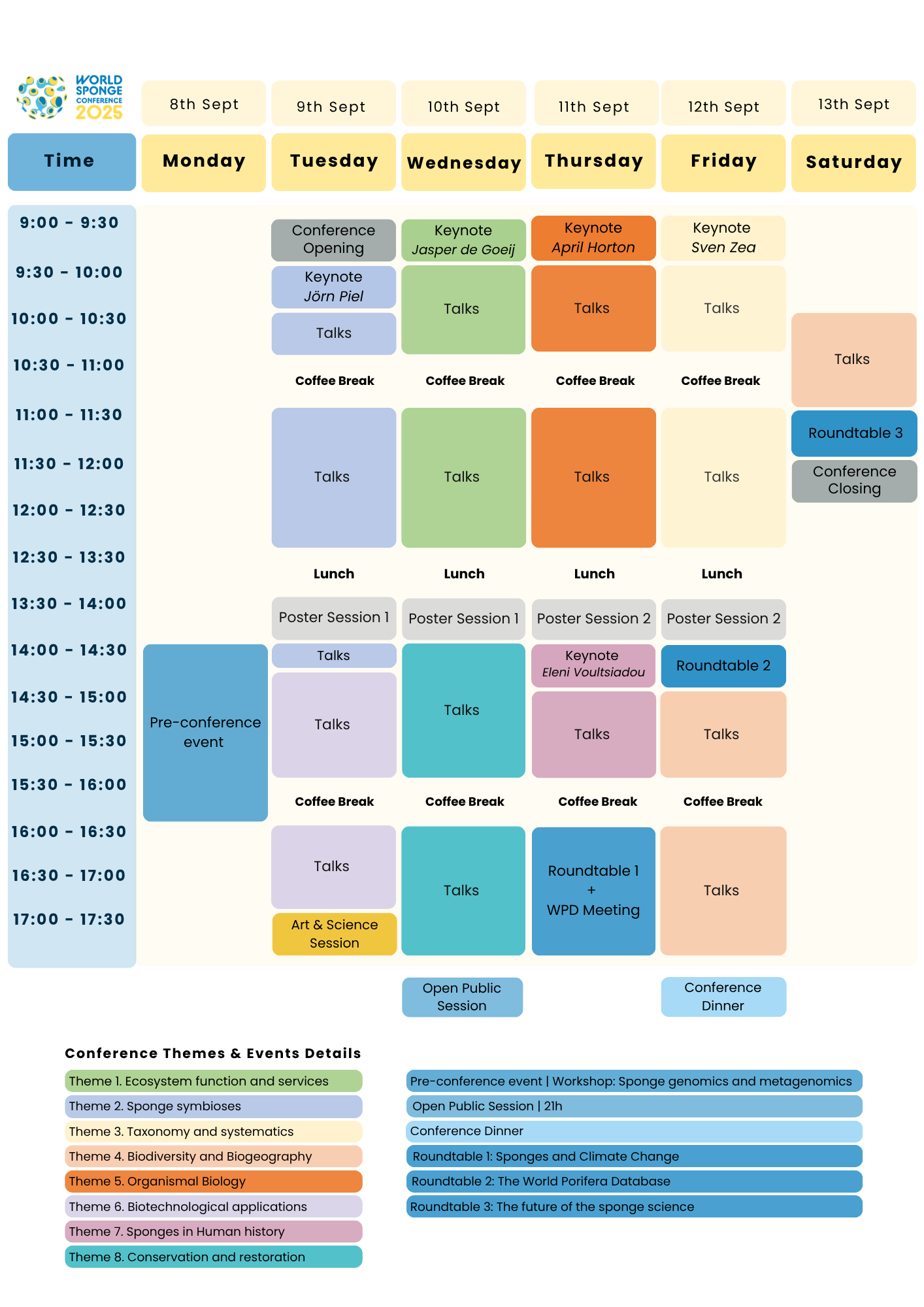
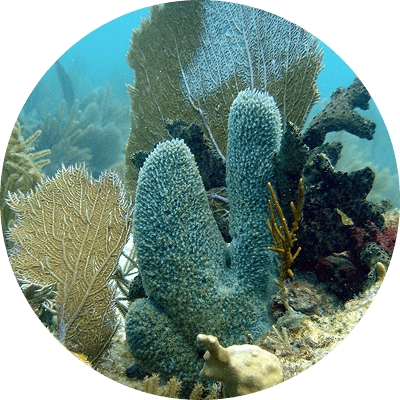
Sponges play a vital ecological role in marine ecosystems, driving benthic-pelagic coupling and contributing to biogeochemical cycles. They are also key ecosystem engineers, creating complex habitats for many taxa. This session welcomes contributions on the latest findings on the functioning and services provided by sponges and sponge-dominated habitats around the globe, from freshwater alpine lakes to the hadal depths of the ocean and from organisms (or lower) to ecosystems. This theme is open to contributions from sponge scientists, stakeholders, managers, and policymakers to provide a holistic understanding of the role of sponges in ecosystem functioning. This understanding will help develop effective management strategies to combat the ongoing degradation of sponge habitats worldwide and properly address marine habitat restoration projects.
Sponge symbioses
(co-chairs: Lucia Pita, Rodrigo Costa, Cristina Diez-Vives)
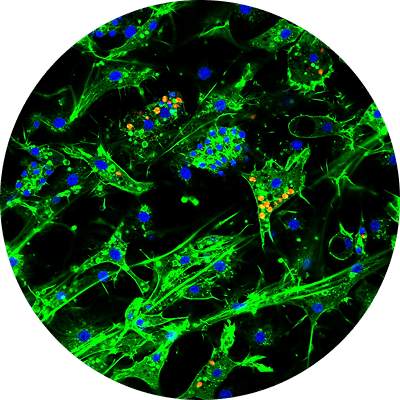
Sponges emerged approximately 3 billion years after bacterial life originated. As a result, these early animals evolved in a microbe-rich environment, leading to the development of close and enduring associations with microbial communities. Presumably, these symbiotic relationships have provided sponges with competitive advantages, facilitating their successful colonization of diverse aquatic environments.
This session invites research exploring sponge-microbiome interactions, including but not limited to molecular mechanisms underlying symbiont recognition and maintenance, co-evolutionary dynamics between hosts and symbionts, the role of microbial symbionts in facilitating adaptation to environmental change, microbiome stability and resilience, functional contributions of symbionts, mechanisms of symbiont transmission, experimental microbiome manipulations, bioactive compounds from sponge symbionts and their applications, and sponge-microbiome model systems..
Taxonomy and systematics
(co-chairs: Javier Cristobo, Celso Domingos, Christine Morrow)
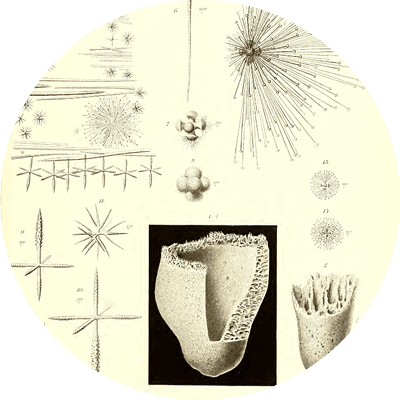
Taxonomy and systematics are fundamental sciences for understanding biodiversity, ecological and evolutionary processes. The study of taxonomy, while complex and time-consuming, is essential for identifying, describing and classifying species. This field not only focuses on documenting new and existing species but also explores the evolutionary relationships that define systematic classification. Advances in molecular and chemical techniques are revolutionizing this field, making the process more efficient and the classification more robust. This theme delves into the continuous efforts to improve our understanding of sponge systematics and accelerate species identification, ultimately contributing to a deeper understanding of sponge diversity and evolution.
Biodiversity and Biogeography
(co-chairs: Pilar Rios, Sergi Taboada, Andia Chaves Fonnegra)
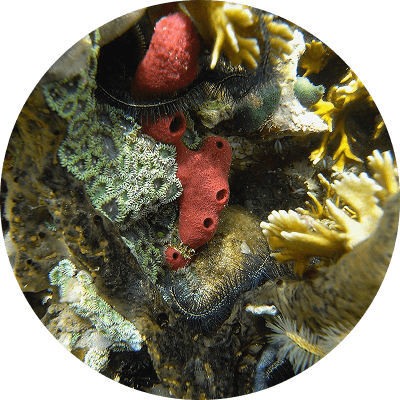
Sponges are a diverse group (over 9700 species) widely distributed in aquatic systems, from the deepest areas of the ocean, to coastal habitats and freshwater ecosystems. Despite the crucial role that sponges have played in paleo-environments and continue to play in present ecosystems where they occur, little is known about their biodiversity and distribution patterns at various spatio-temporal scales. Also, there is an increasing need to understand how keystone species are connected and the degree of isolation and connectivity among populations, in order to guide management and conservation plans. This session welcomes integrative studies on biodiversity of sponge habitats through space and time and also biogeographic and connectivity studies that will help to advance our understanding on the ecological role that sponges have played and currently play in their habitats.
Organismal Biology
(co-chairs: Ana Riesgo, Emilio Lanna, Cecilia Conaco)
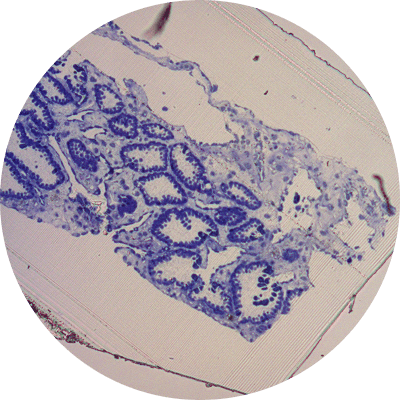
The field of sponge organismal biology has witnessed a revolution in technical advances, approaches, and paradigms. This has spurred rapid advances in the areas of evolution, development, and physiology, with research now spanning all four sponge classes, encompassing broad spatiotemporal scales, and addressing questions related to climate change adaptation, physiological function and plasticity, comparative genomics, functional biology, and phenotype-genotype-environment interactions. This session will host research using approaches ranging from molecular, cellular, and organismal scales, addressing questions related to biology and function of the sponges in natural and experimental conditions, as well as purely bioinformatic approaches targeted to understand evolution of gene complements and genomic and cellular novelties in sponges.
Biotechnological Applications
(co-chairs: Tiago Silva, Detmer Sipkema)
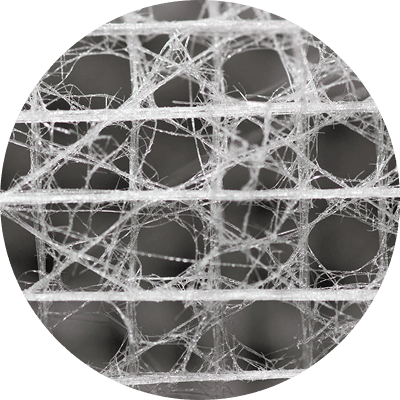
The phylum Porifera is recognised by a wide chemical diversity of compounds that suggests a myriad of uses, with the chemotherapy drug cytarabine (ara-C) being a paradigmatic example. This session will bring discussion on recent research on the study of sponge extracts - from new sampling campaigns, new species and/or existing collections previously assessed for other uses - aiming at the identification of potential bioactive leads. The identification of materials, as biopolymers or ceramics, and potential applications will also be addressed. Besides, the use of metagenomics and other novel methodologies to mine in silico the biotechnological potential of marine sponges will be appraised. New biotechnology developments for the production of key sponge-derived compounds and materials will be presented that avoid large biomass harvesting, reconciling exploitation with biodiversity conservation.
Sponges in Human History
(chair: Thierry Perez)
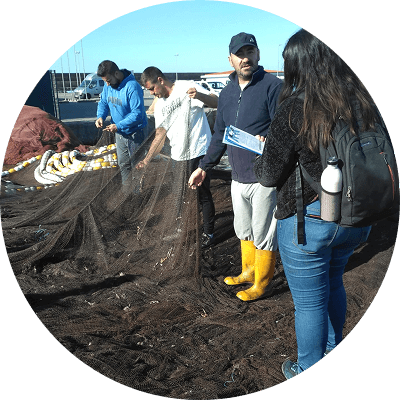
For millennia, sponges have played a role in human societies, valued for their natural properties, and cultural significance. From ancient Mediterranean diving traditions to their use in hygiene, medicine, and industry, sponges have supported daily life across civilizations. Today, they continue to be explored for biomedical applications, sustainable materials, and biotechnological innovations.
This session invites contributions on the historical exploitation, trade, and cultural significance of sponges, as well as their evolving uses in modern science and industry. We welcome interdisciplinary perspectives, including archaeology, anthropology, history, and marine biology, to examine how human relationships with sponges have changed over time. Research on traditional sponge fisheries, conservation challenges linked to historical exploitation, and the potential for sustainable sponge-based industries is particularly encouraged. By bridging past and present, this session aims to deepen our understanding of sponges’ enduring role in human history.
Conservation and Restoration
(co-chairs: Joana Xavier, Toufiek Samaai, Vasilis Gerovasileiou)
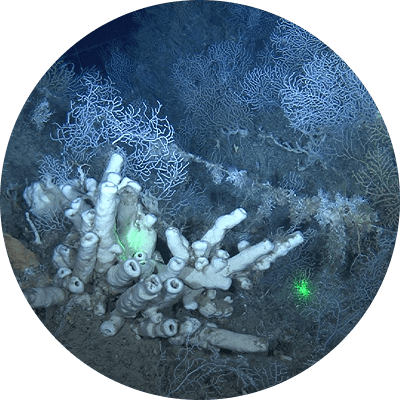
Sponge habitats are increasingly threatened by anthropogenic pressures, including overharvesting, climate change, and marine heatwaves. These factors lead to habitat degradation, shifts in species distributions, and mass mortalities. To ensure the sustainability of sponge ecosystems, effective management, conservation initiatives, and the development of active restoration approaches are essential. This session invites contributions from scientists, resource managers, policy-makers, and NGOs focused on advancing sponge conservation. We welcome studies on population declines, resilience, and human impacts. Additionally, we encourage research on both passive (e.g., Marine Protected Areas) and active (e.g., habitat rehabilitation) restoration strategies, incorporating ecological, genetic, and socio-economic perspectives. Novel methodologies for monitoring and restoration, such as environmental DNA (eDNA) techniques, are particularly encouraged.
Art-Science Intersections (transversal to all themes)
(curator: Pedro Cunha)
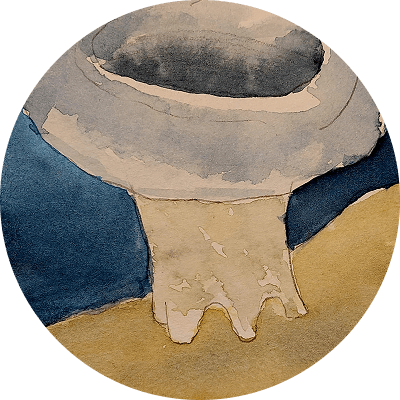
We invite contributions that explore the dynamic interplay between the arts and sciences across all conference themes. From visual and performing arts inspired by sponge biology to interdisciplinary collaborations that reimagine conservation or biotechnology through creative lenses, this transversal track seeks to highlight how artistic approaches can enrich scientific understanding—and vice versa. Submissions might include artistic research, installations, photography, sound art, design, or other creative formats that engage with topics such as marine ecosystems, symbiosis, biodiversity, taxonomy, or the cultural significance of sponges. This is an opportunity to build new forms of dialogue between disciplines, challenge traditional boundaries, and spark new ways of seeing and communicating science.
Jörn Piel
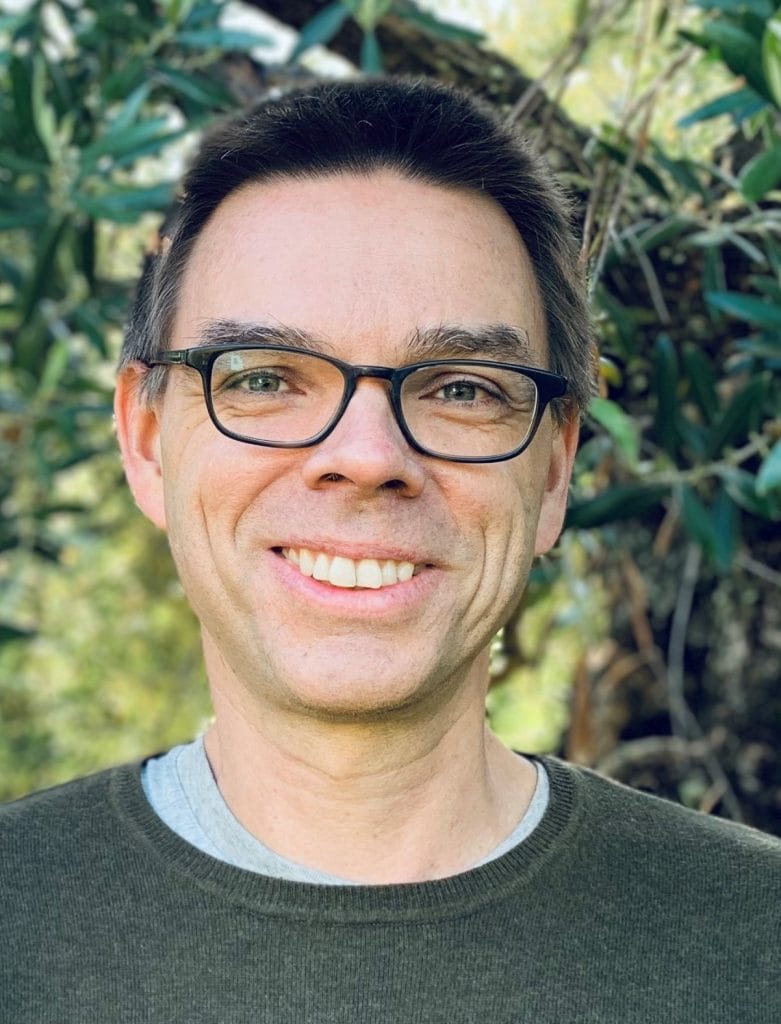
Jörn Piel received a PhD in Chemistry at the University of Bonn, Germany, and conducted postdoctoral studies at the University of Washington, Seattle. He then led a research group at the Max Planck Institute for Chemical Ecology in Jena, Germany, and became Associate Professor of Bioorganic Chemistry at the University of Bonn. In 2013, he was appointed as a Full Professor at the Institute of Microbiology at ETH Zurich. His lab studies natural products from uncultivated or other poorly explored bacteria, their role in host-microbe interactions with a focus on marine sponges, the identification and biotechnological utilization of novel enzymes, and ecology- and genome-based natural product discovery.
Insights into the chemistry of sponge microbiomes
Marine sponges contain diverse bioactive metabolites with roles in chemical defense and relevance for drug discovery. For many of these compounds, it had long been suspected that they are produced by members of sponge microbiome rather than the host, but cultivation of such suspected producers to test this hypothesis has remained unsuccessful.
This talk will provide an overview of efforts of our and other laboratories to understand chemical roles of sponge-associated bacteria. It will discuss methods to localize and study biosynthetic pathways of uncultivated sponge bacteria and present insights into the currently known key producers and their often unusual biochemistry. While sponges are an attractive resource for new therapeutics, drug development from these animals is usually not sustainable. Another focus of this presentation will therefore be avenues to accomplish renewable production of rare sponge natural products.

Jasper de Goeij
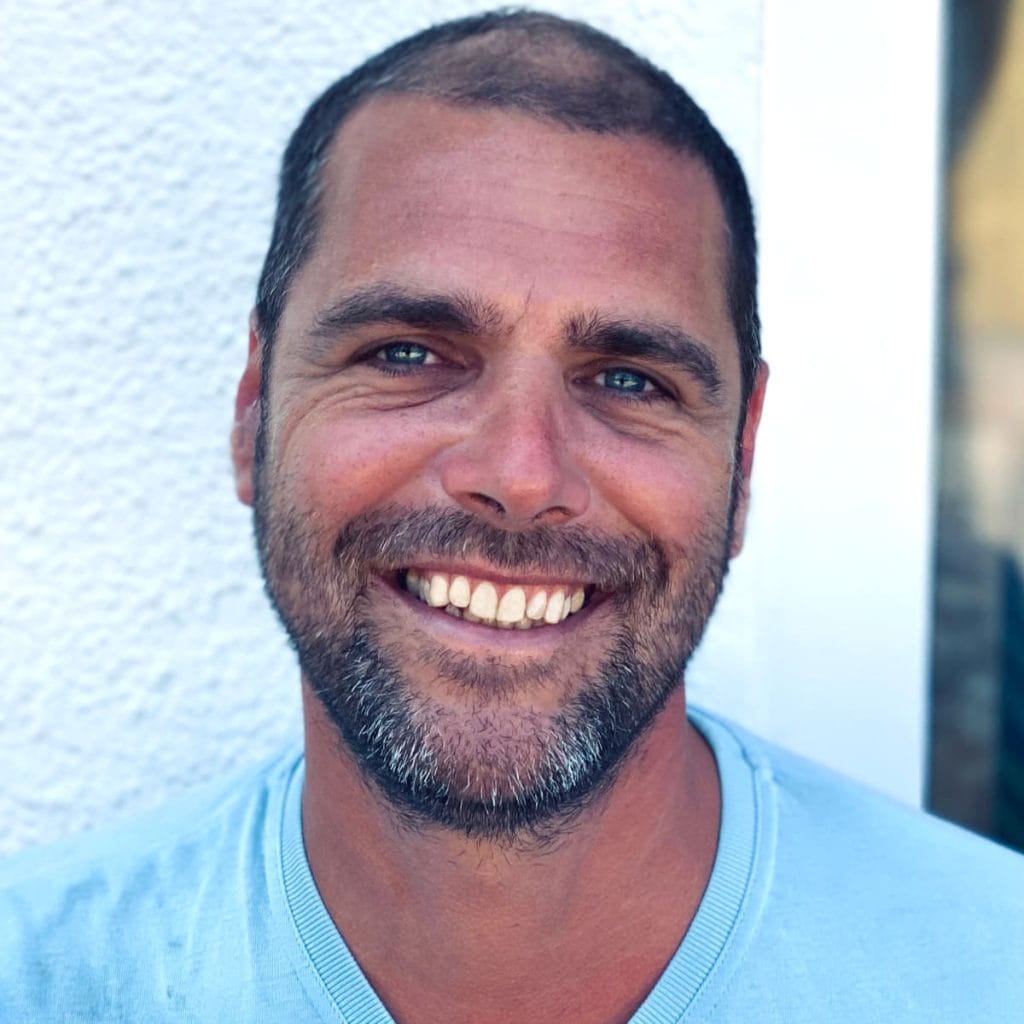
Jasper de Goeij is a marine benthic ecologist, leading the Department of Freshwater and Marine Ecology at the University of Amsterdam, the Netherlands. He received his PhD at the Royal Netherlands Institute for Sea Research in 2009. During his PhD and personal early-career Postdoctoral Fellowship (VENI grant) he developed the Sponge Loop hypothesis: How sponges retain and cycle food within coral reefs, enabling the ecosystem to thrive in the marine equivalent of a desert (Science 2013).
Between 2007-2015, as CEO and co-owner (together with Ronald Osinga) of research-driven blue biotechnology company Porifarma BV, De Goeij transited fundamental scientific data into application, focusing on implementing sponges as biological filter, extracting and supplying natural products from sponges, and developing concepts for sustainable aquaculture.
Drawn back to academia at the University of Amsterdam, De Goeij further developed the hypothesis that sponges are “biological engines” of benthic shallow and deep-sea ecosystems, amongst others through the prestigious European ERC Starting Grant. The inspiring and pioneering work on deep-sea sponge grounds and the physiology of deep-sea sponges (EU Horizon “SonGES”) made him realize that “Sponges Matter”, in biomass and global biogeochemical fluxes.
His work attracted attention from important international media, e.g., the New York Times, Nature and Science, National Geographic and BBC News. Since 2024, De Goeij is member of the UN Ocean Decade Committee of the Kingdom of the Netherlands, supporting the Ocean’s sustainable development goals and trying to improve the topic Ocean in primary and high school educational programs.
The sponge holobiont brings life to shallow and deep marine ecosystems
Sponge are key ecosystem engineers in shallow and deep-sea marine benthic ecosystems. They create life, even biological hotspots of diversity and productivity, in areas — for example coral reefs or sponge grounds — where waters hold, or are supplied by, very little food. How do sponges form oases in the marine equivalent of the desert? In principle, sponges are like biological engines, driving the ecology of marine benthic ecosystems. That will be the topic of this keynote.
I will dive into different shallow and marine ecosystems and discuss the role of the sponge host and its numerous endosymbionts, together forming the sponge holobiont, in the uptake, (cellular) processing and release of (in)organic nutrients. What forms of food do sponges eat, do sponges with high and low abundances of microbial symbionts have different life strategies, and how does the holobiont into the largest of organic sources on Earth: dissolved organic matter? Sponges are also increasingly recognized as mixotrophs, using sunlight or chemoautotrophy to complement their diets, further complicating their position in the food web.
The question remains how many there are on Earth and how important sponges are in our global carbon cycle. What is the potential role of sponges in our global climate, and, what are the consequences if the sponge engine would increase or be removed from the ecosystem in a changing ocean?

April Horton
April Horton is a professor of biology and the Wagener Family Professor of Equity and Inclusion in STEM at Bates College. After training as a human geneticist and developmental biologist, she joined the sponge community nearly three decades ago.
Her early and ongoing work on sponges focuses on the roles of conserved animal-specific genetic pathways in sponge body plans. Over the years, she has been involved in many collaborative efforts to understand sponges at the molecular, cellular, evolutionary, and ecological levels. She is most proud of her work helping to establish Ephydatia muelleri as a model system to study many aspects of sponge biology; most recently the molecular and cellular integration of freshwater sponges with algal photo-endosymbionts.
In addition to her research and teaching, she is dedicated to helping increase racial, ethnic, socioeconomic, gender and other forms of diversity in the sciences, and to improving college science experiences for all students.
The Flexible Life of Freshwater Sponge-Algal Relationships: Molecular Pathways and Environmental Cues Driving Endosymbiotic Integration
Freshwater sponges, particularly Ephydatia muelleri, form a nutritional mutualism with algal photosymbionts, a relationship that may be vital for global benthic communities. What makes the relationship compelling is the plasticity of this animal-algal partnership: unlike many other photosymbioses, freshwater sponges can live both with and without their algal partners.
Our previous work showed that E. muelleri can acquire endosymbionts horizontally through algal infection and suggested potentially conserved evolutionary pathways for symbiosis establishment. Expanding on this, we now demonstrate vertical transfer of algal symbionts from overwintering gemmules to developing sponges. We show that this endosymbiosis can be established and maintained even in the absence of light. We have identified key molecular and genetic pathways in the sponge that facilitate early symbiosis establishment.
Furthermore, we’ve uncovered a novel pathway utilized by the sponge when algal photosynthesis is not possible, which may allow for algal persistence and division within host cells in the dark. With robust genomic and transcriptomic resources, E. muelleri serves as a versatile model for understanding the molecular signaling, physiological, and environmental factors that shape these dynamic freshwater photosymbioses.

Eleni Voultsiadou
Eleni Voultsiadou is professor emerita at the Aristotle University of Thessaloniki, Greece. She served in the School of Biology of the Aristotle University of Thessaloniki across all academic levels for 45 years, teaching zoology and marine biology at undergraduate and postgraduate level.
Her research focused on the biodiversity of marine invertebrates, their community structure and fisheries in the Greek seas and the broader Eastern Mediterranean region. Her main area of interest was sponges and she dealt with their systematics, describing new species, their zoogeography and their role as habitat formers for other marine invertebrates.
Her favorite inquiry involved the ancient Greeks’ knowledge of marine life and the early human uses of marine animals, as well as the contribution of the Greek language to international scientific terminology and nomenclature.
Sponges in Ancient Greece: value for humans and the roots of sponge science
The ancient Greek civilization, initially developed around the Aegean and expanded throughout the Mediterranean, was inherently oriented towards the sea. Ancient Greeks had an adequate knowledge of marine life and fishing was among their main activities.
There is plenty of relevant evidence in the findings of archaeology and archaeozoology as well as in the classical Greek literature. Our research, mainly based on the texts of the digital library Thesaurus Linguae Graecae (TLG), uncovered noteworthy records on sponge knowledge and uses, offered by more than 90 authors, during five historical periods spanning 15 centuries (from the 8th c. BCE to the 7th c. CE). Sponges were harvested by divers equipped with sickles and lead weights, who knew the locations where bath sponges were growing and were able to protect themselves from dangerous sharks. Sponges, after their treatment, were used by humans in household, personal hygiene, medicine, war and art. Moreover, the science of marine biology, including sponge science, has its roots in Ancient Greece and specifically in Aristotle’s biological works.
The texts of the great philosopher dated in the 4th c. BCE, and those of subsequent writers, give the earliest information on sponge biology, including sponge nature, classification, morphology and function, symbiotic relationships, habitat and distribution. Most importantly, ancient Greek literature significantly contributed to sponge nomenclature and terminology. A very high number of taxa names and sponge terms have been formed using Greek words, Latinized or transliterated in Latin, mostly by the early taxonomists of the 17th-19th c. who had a good knowledge of the Greek language.

Sven Zea
Studied marine biology, undergraduate at Universidad Jorge Tadeo Lozano, masters at Universidad Nacional de Colombia, and a doctorate at The University of Texas at Austin, the latter with a USA-Fulbright Scholarship. Professor of Universidad Nacional de Colombia since 1988, at the Instituto de Estudios en Ciencias del Mar – CECIMAR of the Caribbean campus at Santa Marta.
He is the academic coordinator of the graduate program in marine biology. Carries our research on marine ecology and on taxonomy, ecology and biotechnology of marine sponges, and on coral reef ecology. He has advised 36 masters’ and 8 doctoral theses, and 38 undergraduate degree works. He is the author or co-author of 120 scientific articles, 13 chapters and 6 books. His early book (1987), Sponges from the Colombian Caribbean, made an important contribution to the field. He is the taxonomic expert on the online guide to identifying Caribbean sponges (www.spongeguide.uncw.org).
Sponge taxonomy in the sea of the New World: From expeditions and museum collections to SCUBA, underwater photography and internet, and from morphological to integrative approaches
The Caribbean was the sea of the New World, the epicentre of a drama of discovery, conquest, plunder and local human population decimation. Naturalists arrived later, to a dramatically modified landscape. Sponge taxonomy began with European scientists, mostly with museum specimens, leaving names scattered in worldwide accounts. More comprehensive, local or regional monographs began in the mid to late 20th century, led mostly by First World scientists.
They mentored a new generation from local countries, boosted by the advent of SCUBA diving and underwater photography and the exploration of coral reefs. The limitation in printing and distribution of literature was superseded with the advent of the internet and PDFs.
With the decline of corals, sponges are becoming the primary habitat-forming organisms on Caribbean reefs. From this, and even though biodiversity funding is paying lip service to taxonomy and systematics, there has been some impulse to help ecologists include sponges in their studies. One case is that of “The Sponge Guide” (https://spongeguide.uncw.edu/), a photographic online interactive guide designed to aid in the identification of Caribbean marine sponges, developed from a series of USA-ship cruises to study chemical ecology of marine organisms.
One major remaining problem is the definition of the boundaries of species, which molecular tools are helping to solve. However, these studies need professional taxonomists to point out variation and to help make nomenclatural, evolutionary and geographical sense of the results.
Pre-conference event
Round table: “Sponge genomics and metagenomics”
Organisers: Ute Hentschel, Dirk Erpenbeck, Lucia Pita, Rodrigo Costa
Date: September 08, 14:00- 16:00
Venue: CMIA de Vila do Conde. Avenida Marquês Sá da Bandeira, 320. 4480-916 Vila do Conde.
Capacity: 25 attendees
Description: This round table invites all researchers who contributed specimens to, or are actively involved in, the “sponge hub” within the Aquatic Symbiosis Genomics Project (https://www.sanger.ac.uk/collaboration/aquatic-symbiosis-genomics-project/) to debate on the most pressing issues and knowledge gaps to be filled in sponge genomics and microbiome research. The round table aims to envision and establish research priorities and objectives to be achieved through expert analyses of the vast amounts of data gathered by the sponge hub, steering collaborative and multidisciplinary work among the participants. Updates on the current status of the project will be provided.
Attendance is free, and participants are requested to fill in this pre-registration form until the 22nd of August: link to a simple google form.
Photography Exhibition
An opportunity to showcase your scientific and creative perspectives on Porifera
We are excited to announce that the 12th World Sponge Conference is promoting a Photography Exhibition open to the global scientific community working on the Porifera phylum.
This initiative provides a unique opportunity to highlight the diversity and beauty of Porifera through creativity. The exhibition seeks to bring together researchers from around the world, offering a platform to share not only their scientific work but also their passion for sponges through photography.
Photographs must be related to the Porifera phylum and may be linked to any research line, including taxonomy, ecology, or conservation.
Submission Details
- Submission period: 6 August 2025 to 20 August 2025 (until 23:59, Lisbon Time)
- Submission form: https://docs.google.com/forms/d/e/1FAIpQLSeeOm3F7TN_aUoQ0gRlWx_96wayPkZy4fJBje5X7w5ZL4uZYQ/viewform
- Number of entries: Up to three (3) photographs per participant
- Eligibility: Open to the global Porifera research community
- Note: Participation is free of charge and not restricted to conference attendees
Exhibition and Recognition
A pre-selection of photographs will be made by the organising committee. Selected images will be exhibited at the conference venue.
During the event, participants will be invited to vote for their favourite photographs. The authors of the most voted submissions will receive a small gift as recognition.
Guidelines
Participants are encouraged to read the full submission guidelines before applying: https://docs.google.com/document/d/1vmLku89suEupq07MSqNwQ6dKpeWY53JVD8-kR8K5G_A/edit?tab=t.0
For any questions, please contact the conference email: [email protected]
The 12th WSC Book of Abstracts includes all oral and poster presentation abstracts accepted for the conference. Please note that the PDF may be updated if minor corrections are needed (e.g., affiliation updates or funding acknowledgements). The most recent version will always be available via the link below.
Please download the guidelines below for preparing your oral and poster presentations for the
upcoming WSC. Any questions you may have, feel free to reach out to the organizing committee
at [email protected]. Thank you!